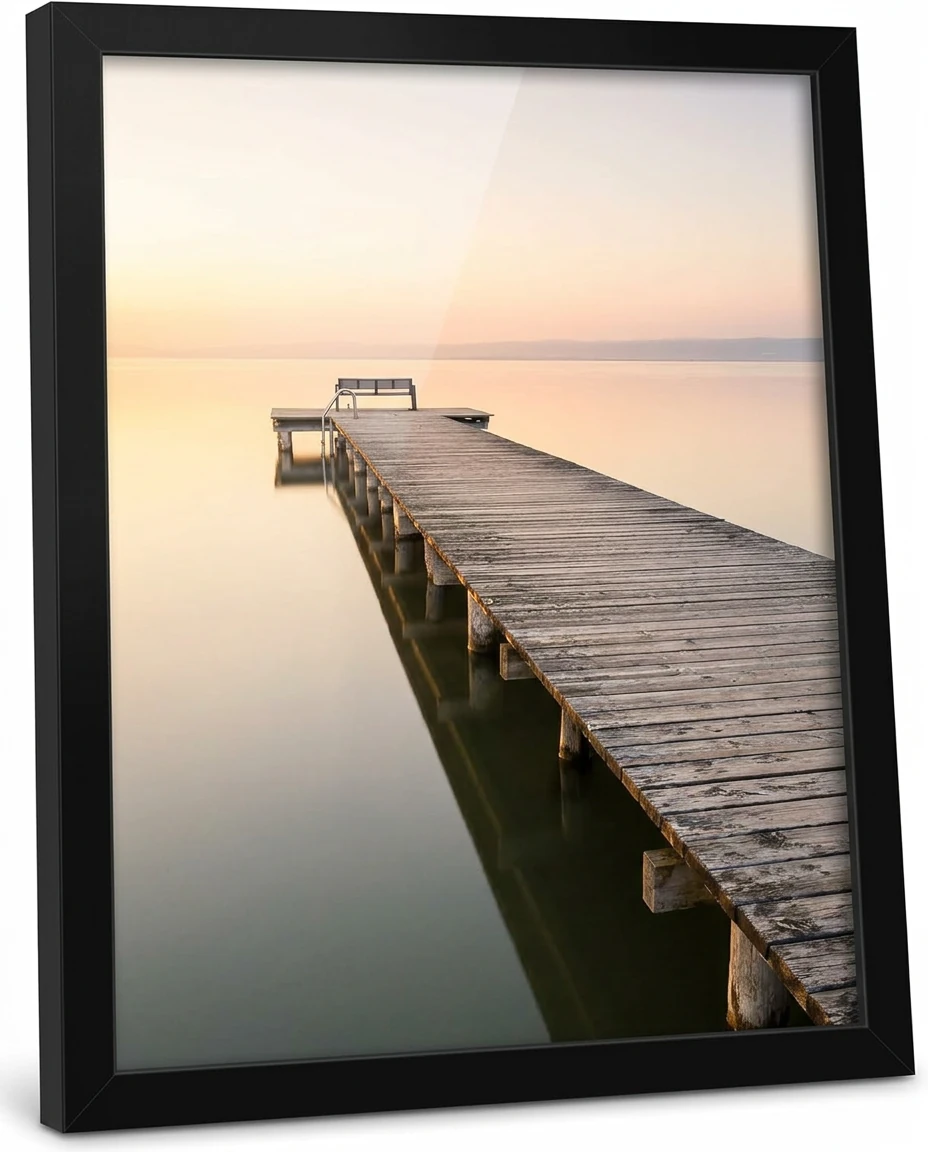
YC001 REFERENCE · 17 IN COLLECTION
Photo & document frames
Define the artwork format, frame profile, finish and display orientation.
Explore collectionYOUR COLLECTION, YOUR DIRECTION
Use a catalogue reference or bring a drawing. Define what matters to your collection, then confirm the specification and sample with the factory.
Picture-frame development, design and manufacturing in Jinhua, China, as described in the supplied company presentation.
01 / YOUR PRODUCT DIRECTION
Choose a reference from the current catalogue, or bring a drawing for feasibility review. A reference establishes the starting point; the agreed sample defines your final version.
YC001 REFERENCE · 17 IN COLLECTION
Define the artwork format, frame profile, finish and display orientation.
Explore collection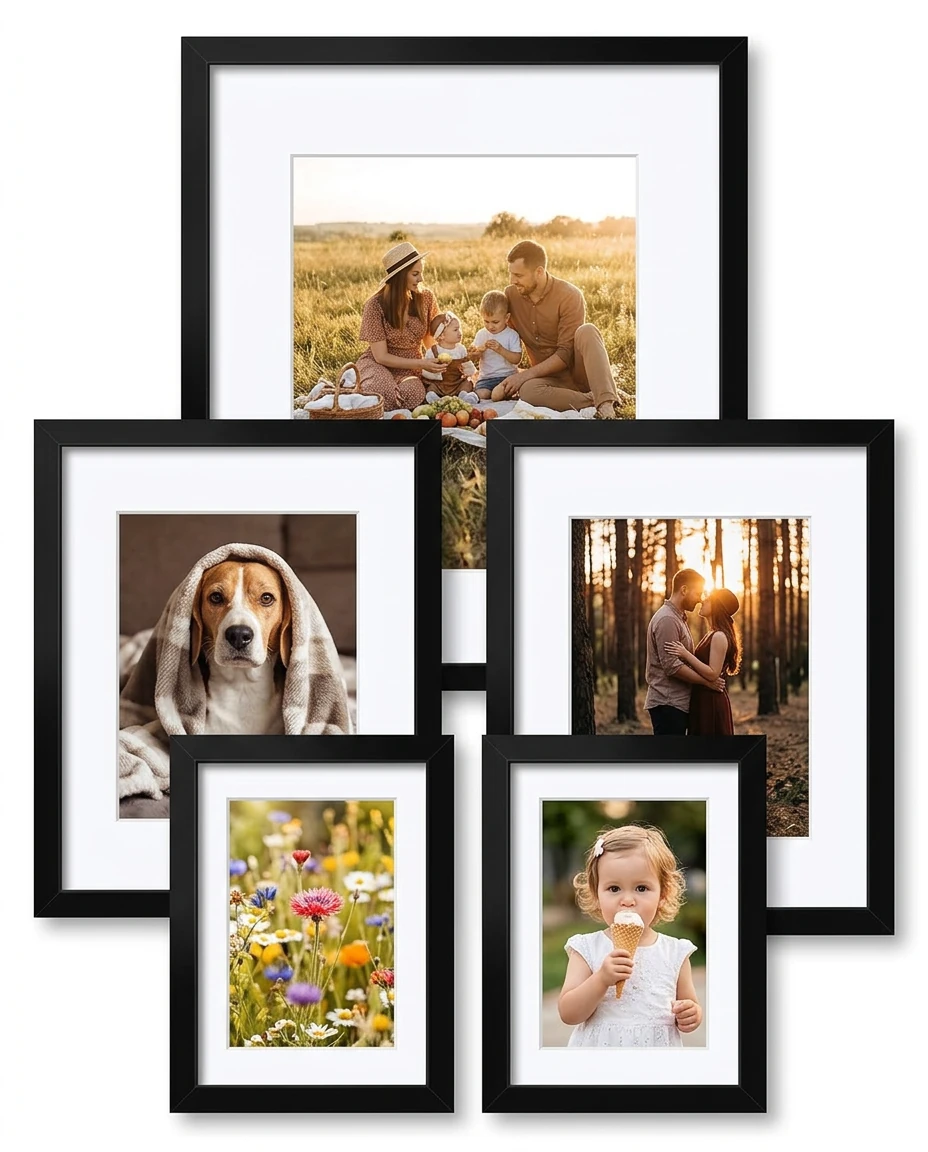
YC012 REFERENCE · 10 IN COLLECTION
Specify the arrangement, sizes and number of frames in one complete retail set.
Explore collection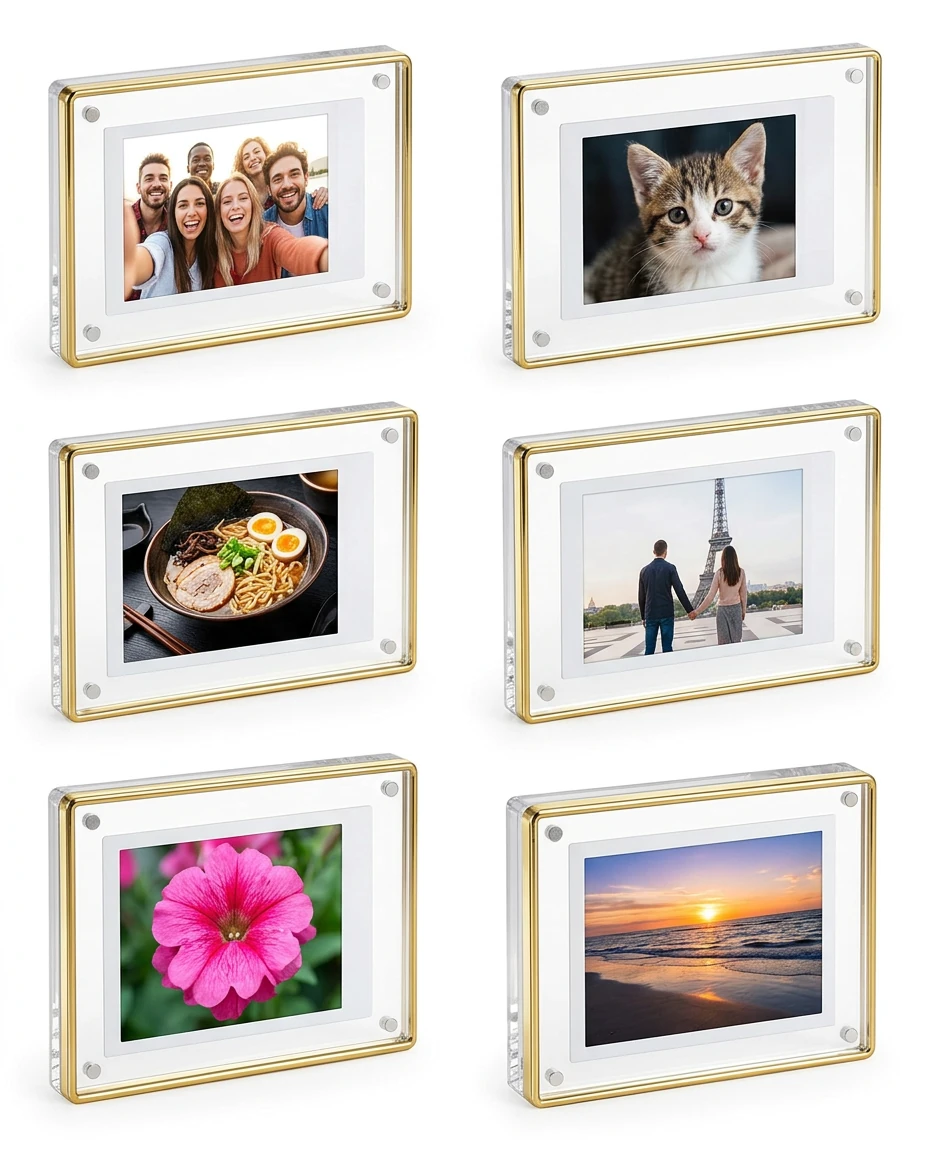
YC026 REFERENCE · 8 IN COLLECTION
Identify the exact construction, closure and display method for the selected model.
Explore collection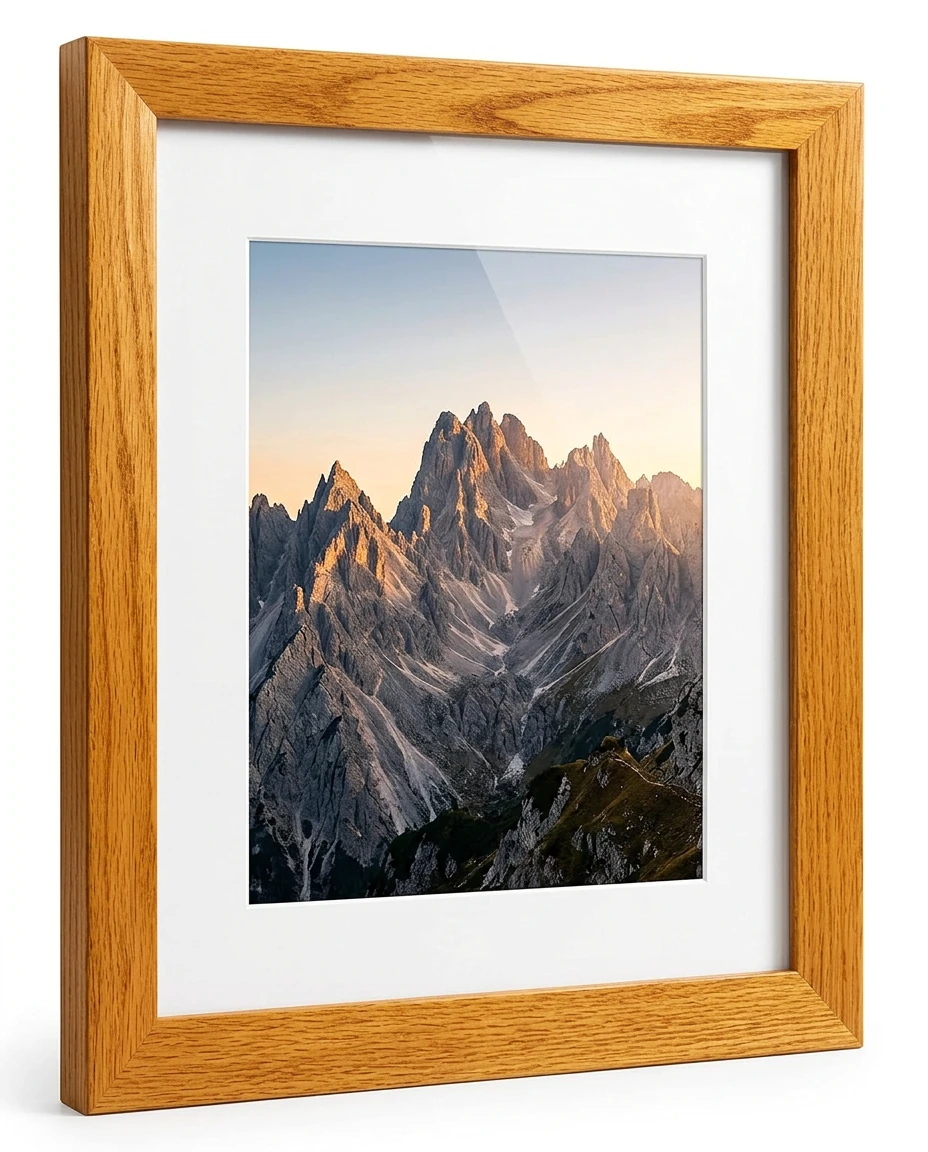
YC037 REFERENCE · 4 IN COLLECTION
Set the finish direction and ask the factory to confirm the timber species and components.
Explore collection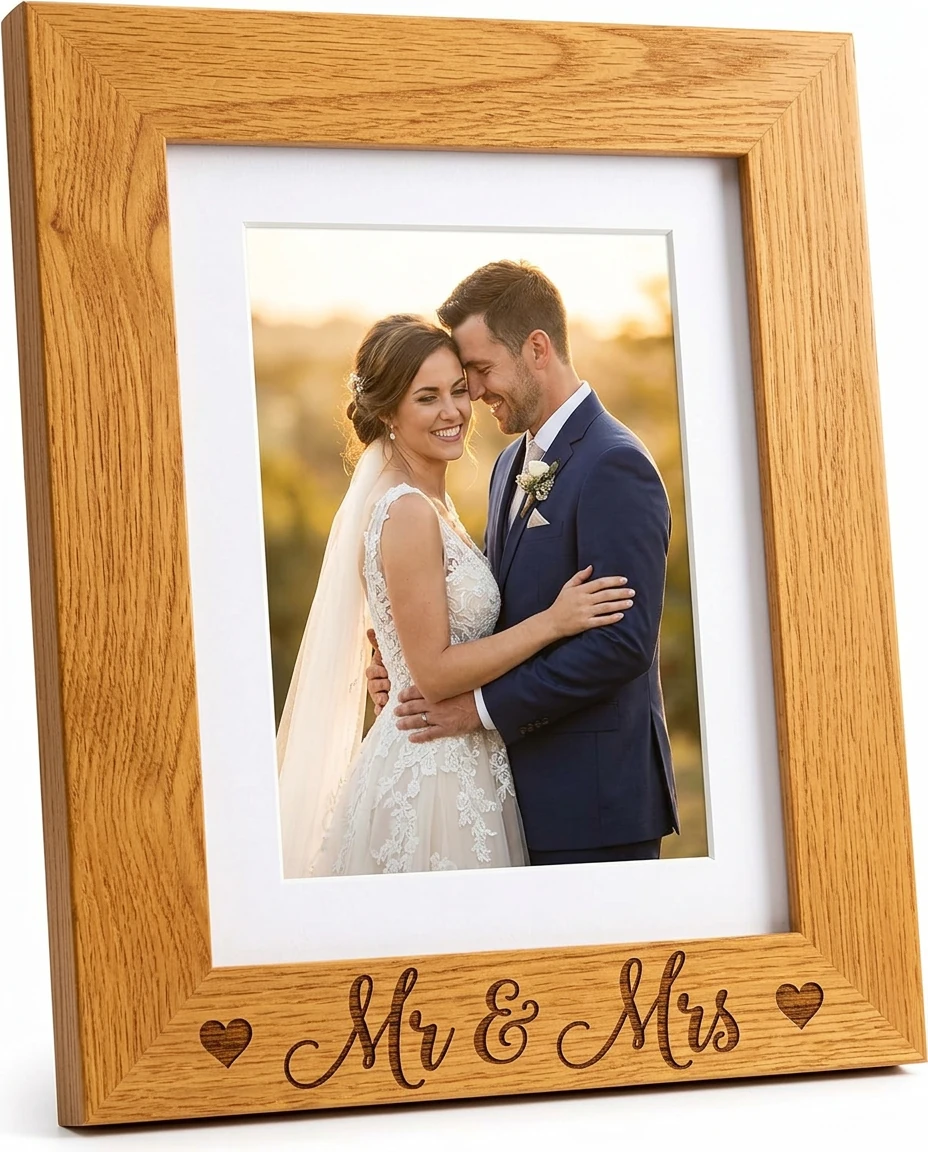
YC045 REFERENCE · 10 IN COLLECTION
Bring the occasion, wording, artwork placement and requested contents together.
Explore collectionProduct images and model fields: the supplied 2026 workbook, “产品全品类列表”, rows 3–51. Image contents, colours and accessories require confirmation against the selected sample.
03 / THE FACTORY BEHIND THE BRIEF
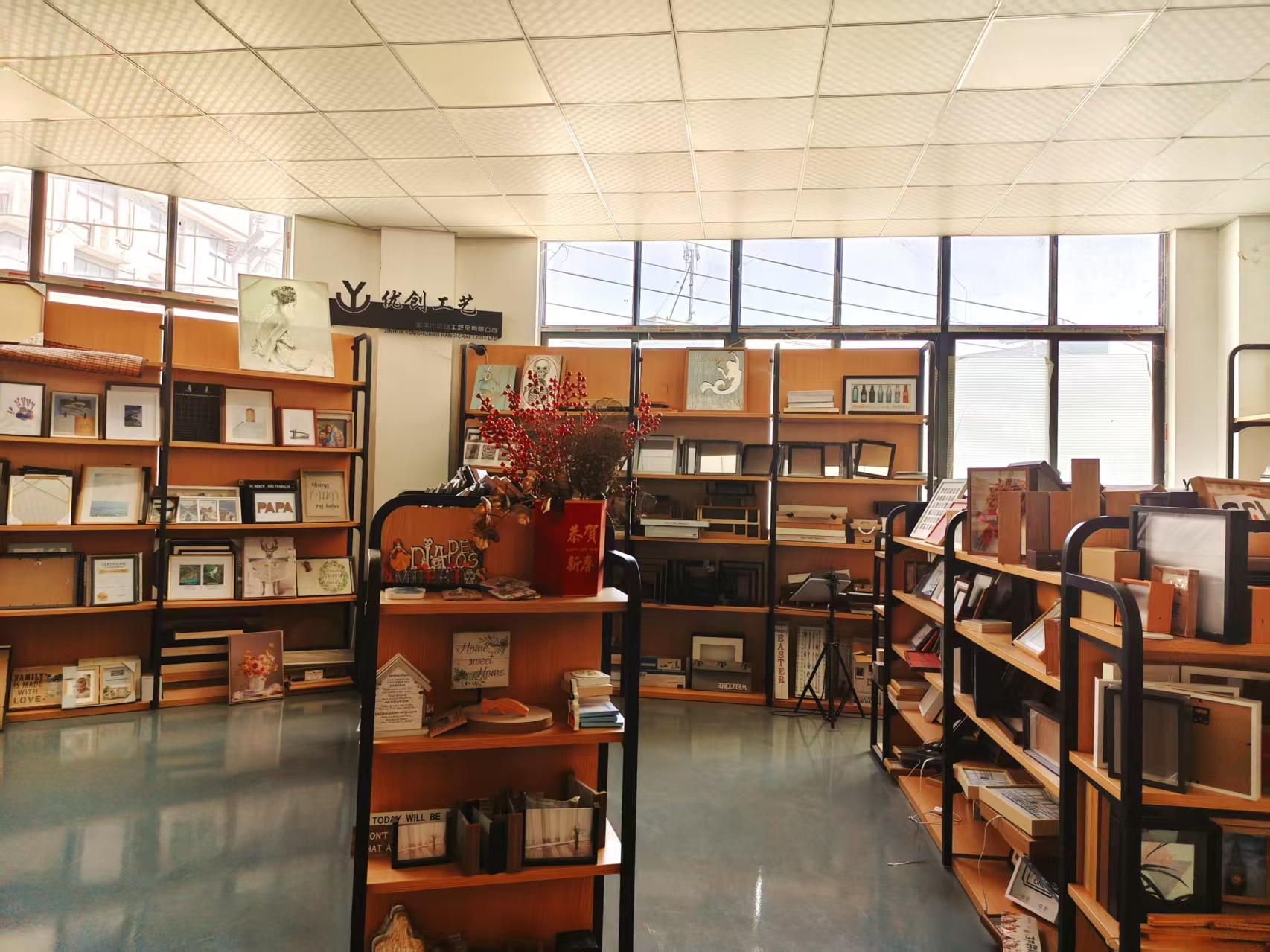
The company presentation describes picture-frame R&D, design, production and sales, including bulk production and custom processing. The photographs below come from the company-supplied factory archive.
Explore the factory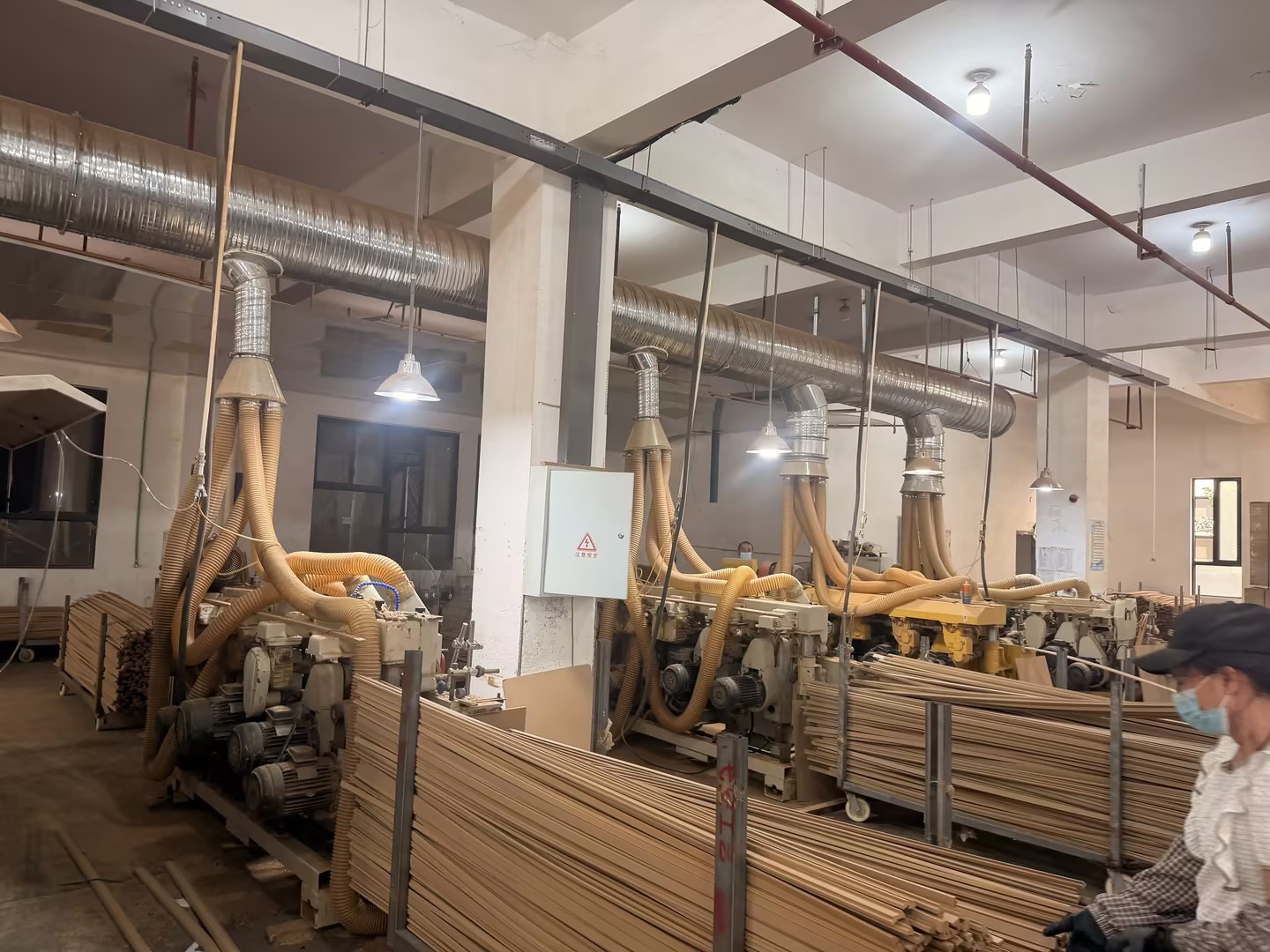
Ask which material, profile and finish suit your proposed frame.
View full-size photo (opens in a new tab)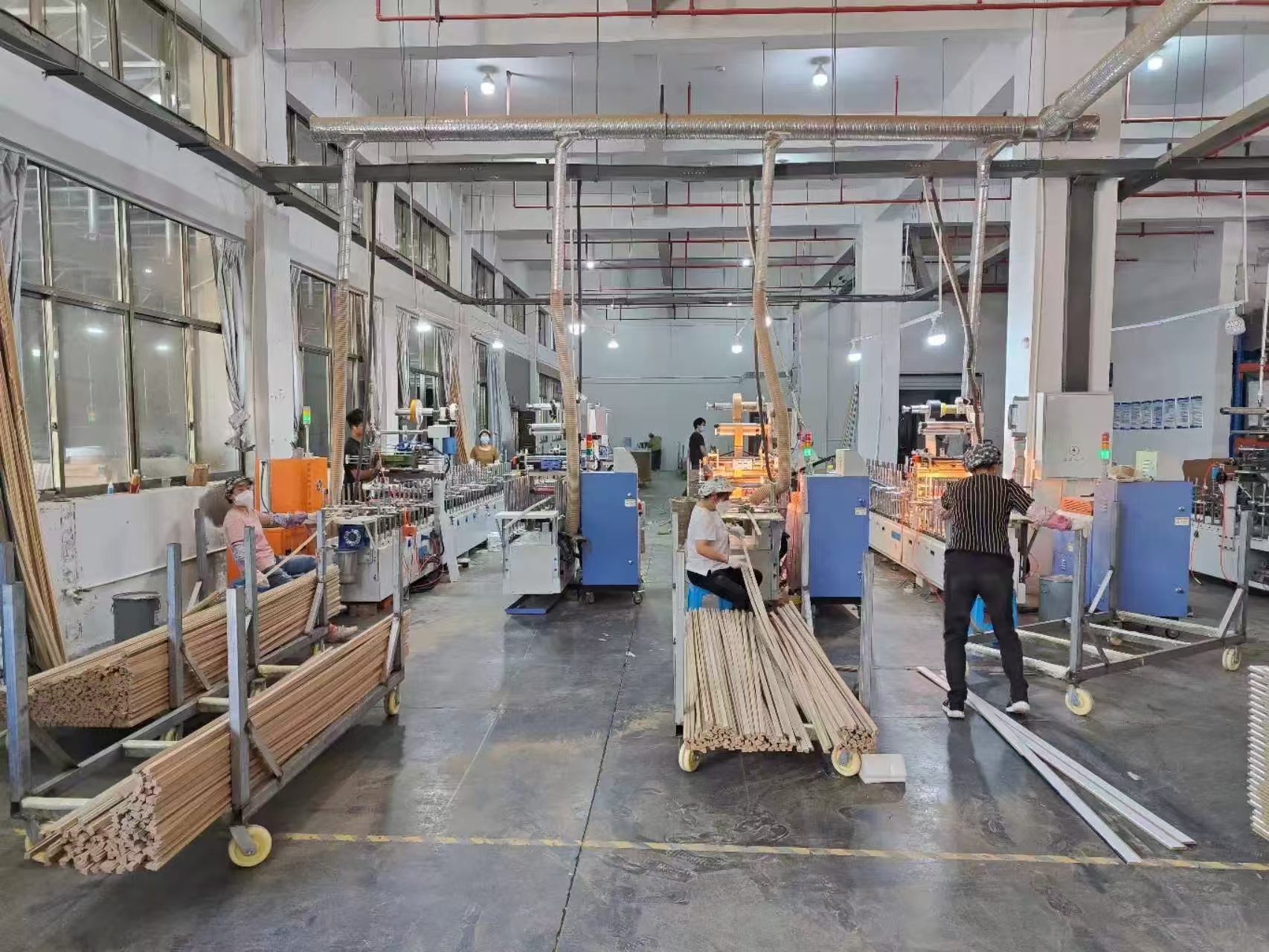
Confirm which processing and assembly steps apply to the selected design.
View full-size photo (opens in a new tab)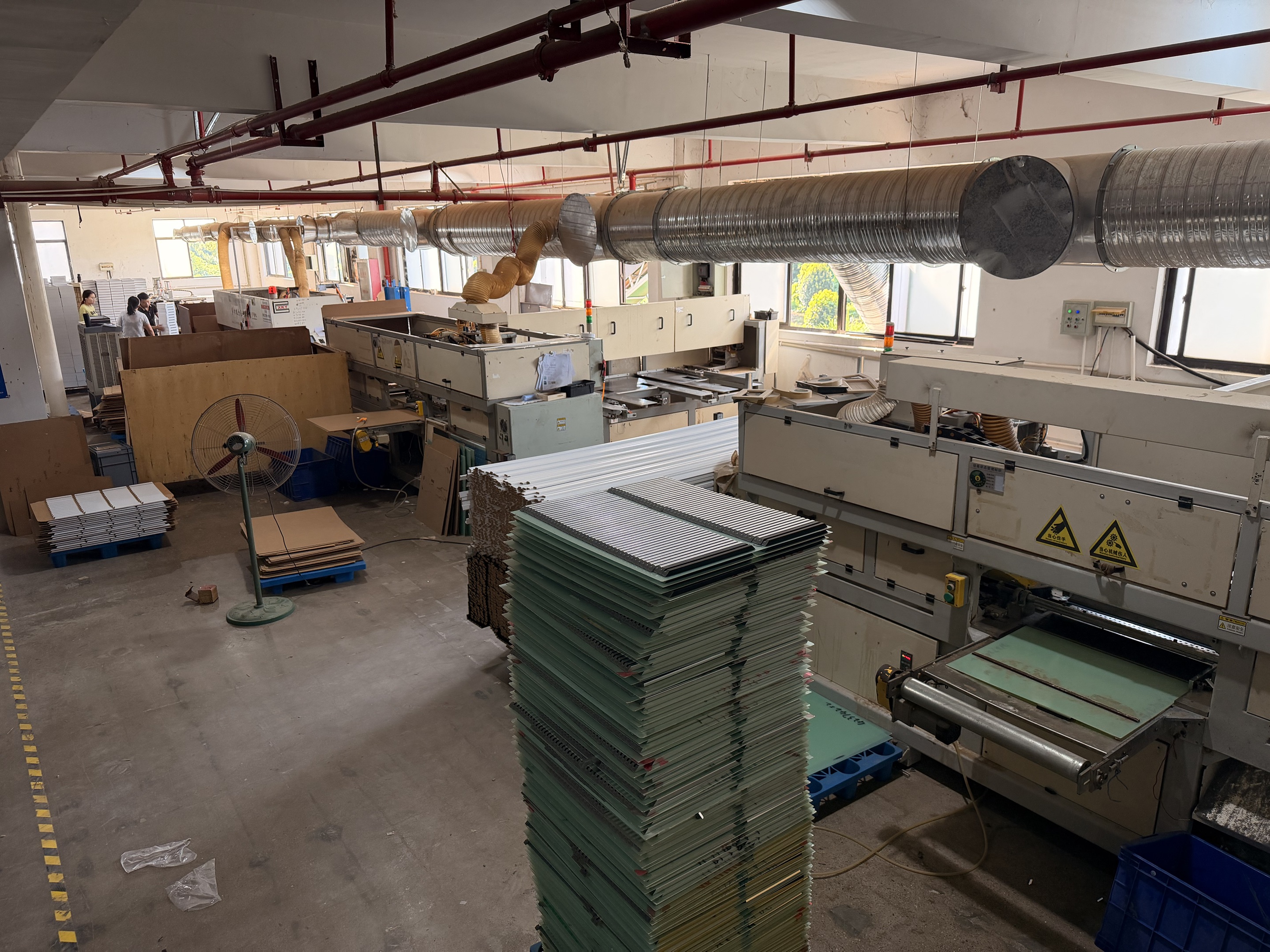
Identify the backing and other panel materials, thicknesses and fitting dimensions.
View full-size photo (opens in a new tab)DOCUMENTED PROCESS / APRIL 2023
These activities are recorded in the supplied audit dated 18 April 2023. This is historical evidence; confirm the current production route, available capacity and inspection scope for your order.
Three company-supplied utility-model patent certificates relate to a wooden-frame nailing device, a frame-corner protector feeding structure and a reversible combined frame. Their grant dates are in March and April 2025.
These documents do not establish certification of every SKU or current patent status. Factory photographs have no supplied capture dates.
Read document scope & dates04 / A CLEAR PROJECT HANDOVER
A practical buying sequence for organising your project. It is not a promise of fixed factory lead times; sample, production and delivery arrangements are agreed for each order.
Share a catalogue SKU or a dimensioned concept. Add the intended use, destination and quantity by variant.
RECORD: Reference & change listAsk the factory to identify proposed materials, methods, sample costs, MOQ and timing for that version. Resolve open questions.
RECORD: Written proposed scopeCompare dimensions, finish, artwork, components and retail contents with the brief. Record deviations and the next action.
RECORD: Sample review recordConnect the accepted sample to the drawing, artwork and packaging revisions, quantities and commercial terms.
RECORD: Agreed specificationDefine the order-specific inspection criteria, packing arrangement, carton details and delivery requirements.
RECORD: Order handover recordYOUR SPECIFICATION CHECKLIST
Use the same reference and revision when discussing the frame, its components, its presentation and approval.
Choose a reference, material and finish. Specify the photo opening and outer frame dimensions separately, with units.
Describe the glazing, mat opening, backing and hanging or tabletop requirements. Include artwork for any personalization.
Outline the pack count, protective packaging, retail box, labels and destination. Ask which options can be supplied for your selected model.
Confirm the sample, written specification, quantity, price and schedule before placing an order. Exact options and commercial terms are agreed per project.
A SPECIFICATION THE SUPPLIER CAN ANSWER
Start with a catalogue SKU or a dimensioned drawing. State which details should remain unchanged and list each requested change. This makes it possible to discuss feasibility without confusing the existing reference with a newly proposed design.
Provide the artwork size, opening requirements, outside-size limits and intended display method. Include front, side and rear views where needed to explain the assembly.
Supply exact wording, placement and a file identifier. List quantities by finish and artwork version, and ask which production method and file format are feasible.
Review the proposed assembly, personalization and complete retail pack together. Keep open decisions alongside the sample record until the drawing and contents list agree.
Ask the quotation to identify the drawing revision, materials, components, finish, artwork, packaging and price unit it covers. Separate sample or development costs from production pricing where applicable. Ask what event starts the proposed timing, such as an artwork decision or sample approval; no fixed duration is established here.
If a component or artwork position changes, give the revised specification a new identifier and record whether another sample is needed. A previous approval should not silently cover a different material, opening, message or pack arrangement.
Prepare the drawing and artwork · Download a custom brief worksheet
FROM SPECIFICATION TO APPROVAL
Keep the requested specification, sample observations and unresolved items together before you approve a production version.
Use the sample approval checklistYes. Add one or more catalogue references to your enquiry list and describe any changes. The factory needs to confirm the final specification and available options.
Minimum order quantities depend on the product, finish and packaging. Request a current quotation for your selected SKU and quantity; the planning workbook is not a binding offer.
Sample cost, timing and production lead time must be confirmed against your actual specification and required delivery date. No fixed schedule is promised in this catalogue.
Include your artwork, packing requirements and destination in the brief. The final method, feasibility and cost are confirmed by the factory before order approval.
The company presentation describes custom processing. Provide dimensioned views, materials, components, finish, quantities and packing requirements for feasibility review. A drawing is a request, not confirmation that every design can be produced.
Include exact artwork, placement, size and quantities by version. The factory needs to confirm the process, file format, surface compatibility, sample and cost. No specific printing or engraving method is promised here.
The documentation page summarises a historical April 2023 audit and three supplied utility-model patent certificates. Ask for current, applicable evidence for the selected product and destination; these records do not establish current product safety certification.
Review the supplied documentationBASIS OF THIS PAGE
Company presentation, slides 2 and 10; current product workbook, “产品全品类列表”, rows 3–51; company-supplied original factory photographs; audit dated 18 April 2023, page 2; and the supplied patent certificates. Source organisation and English buying guidance were prepared with AI assistance. No independent factory inspection or product test is claimed.
The presentation also mentions PS, PVC and other home-decor products. Their current specifications and custom availability are not established by the 49-SKU catalogue and require a separate discussion.
Sources & content standards